
Sign Up Here

Enter your details to create your account

You can apply for a Lateral Flow Device (LFD) if you meet the eligibility criteria. This typically includes individuals needing rapid COVID-19 testing, such as those in high-risk settings, healthcare workers, or anyone requiring quick and reliable results for safety or compliance purposes. If you’re unsure whether you qualify, check the guidelines or reach out for support. Applying is simple, and we’re here to assist you every step of the way.
NHS Lateral Flow Device (LFD) tests supply service for patients potentially eligible for COVID-19 treatments

Patient Details

NHS Lateral Flow Device (LFD) tests supply service for patients potentially eligible for COVID-19 treatments

What is the patient's address?

    NHS Lateral Flow Device (LFD) tests supply service for patients potentially eligible for COVID-19 treatments

    LFD Test Eligibility Questionnaire

    Check your Answers

    Patient details
    First name Change
    Last name Change
    NHS number Change
    Date of birth Change
    Postcode Change
    Address Change
    Eligibility confirmation Change

    Private LFD Test (Order Private LFD Tests quickly and easily through our website.)

    COVID-19 Symptoms and Guidance

    Common Symptoms

    Common Symptoms

    These symptoms are the most typical signs of COVID-19 and often resemble those of the flu or a common cold:
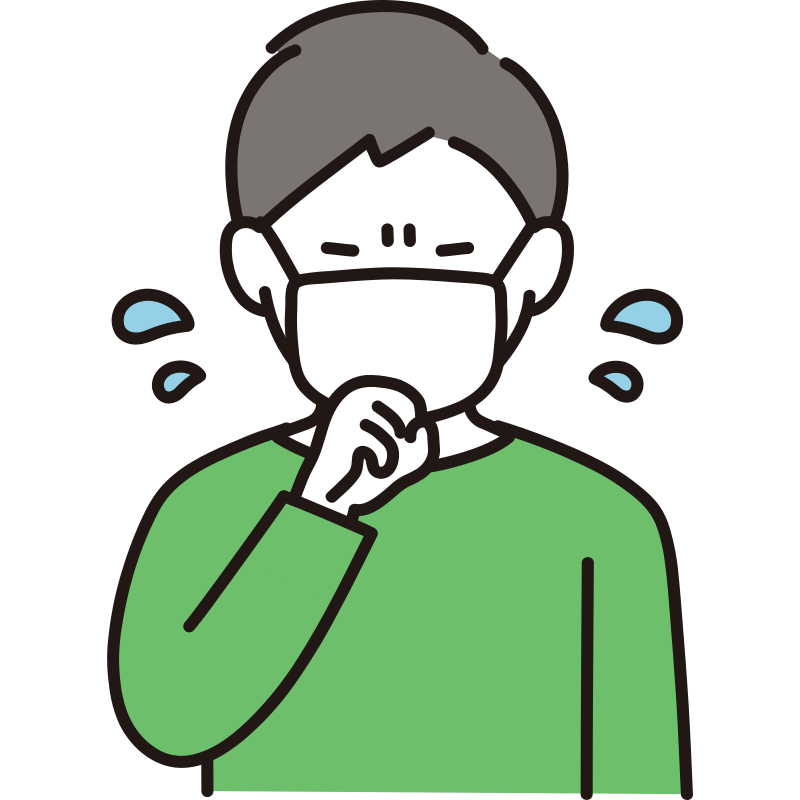
    • Fever or Chills: A rise in body temperature, often accompanied by shivering.
    • Cough: Persistent coughing, which may be dry or occasionally produce mucus.
    • Fatigue: A feeling of extreme tiredness or lack of energy, even with minimal exertion.

    Respiratory Symptoms

    Respiratory Symptoms

    COVID-19 primarily affects the respiratory system, leading to symptoms that interfere with breathing:
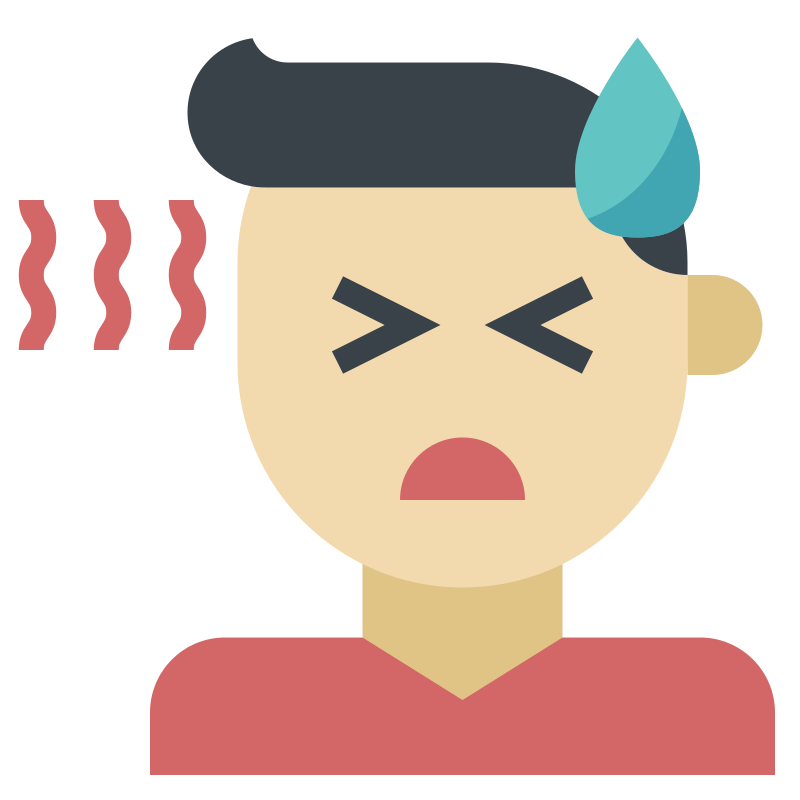
    • Shortness of Breath or Difficulty Breathing: A sensation of breathlessness, often more pronounced during physical activity.
    • Congestion or Runny Nose: Nasal blockage or discharge, similar to cold or allergy symptoms.
    • Sore Throat: Irritation or pain in the throat, particularly when swallowing.

    Neurological and Digestive Symptoms

    Neurological and Digestive Symptoms

    The virus can also impact the nervous and gastrointestinal systems, leading to less common symptoms:
    • Loss of Taste or Smell (Anosmia): A sudden inability to detect flavours or odours, often without nasal congestion.
    • Headache: Persistent pain or pressure in the head, ranging from mild to severe.
    • Nausea or Vomiting: A feeling of queasiness that may lead to vomiting.
    • Diarrhoea: Frequent, loose, or watery stools, sometimes accompanied by stomach discomfort.

    Severe Symptoms (Seek Immediate Help)

    Severe Symptoms (Seek Immediate Help)

    These critical symptoms indicate a serious progression of the disease and require urgent medical attention:


    • Trouble Breathing: Difficulty inhaling or feeling as if you cannot get enough air.
    • Persistent Chest Pain or Pressure: A constant, heavy, or crushing sensation in the chest.
    • Confusion or Inability to Stay Awake: Difficulty focusing, disorientation, or extreme lethargy.
    • Bluish Lips or Face: A sign of low oxygen levels in the blood, often indicating respiratory distress.

    What to Do

    •  For Mild Symptoms: Rest, hydrate, and monitor your health.
    •  For Severe Symptoms: Dial 999 (UK) or contact emergency services immediately.
    • Non-Emergency Support: Contact NHS 111 or visit 111 Online.